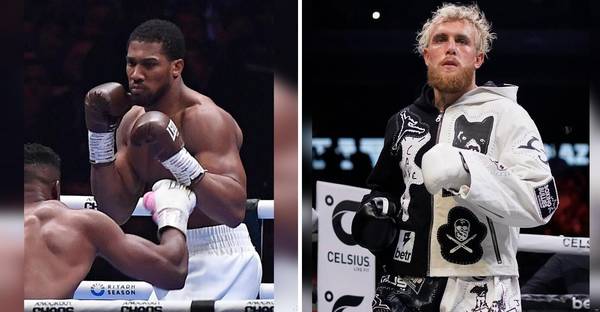
The boxing world buzzes with the unprecedented showdown: Jake Paul goes head-to-head with Anthony Joshua. Streaming tonight on Netflix, the match promises a hefty payday for the fighters involved, albeit sparking some controversy and stirring industry reactions.
With an estimated payout of $184 million and a projective revenue claim by Jake Paul reaching as high as $267 million, fans eagerly await to see who comes out on top financially. Although Anthony Joshua acknowledges that it won't be his biggest payday ever, the split will likely hand around $92 million between them. Yet it's not all praise; UFC’s Dana White expresses dissatisfaction with these large payouts when compared to traditional fighter earnings. Conor McGregor’s earnings barely reached $40 million over an extended period, highlighting this disparity.
The emergence of streaming platforms like Netflix has reshaped how boxing matches are monetized and consumed, drawing in new investors who aim to redefine traditional models. Ariel Helwani discussed this shift openly on The Helwani Show:
"Listen, you guys deserve a lot more money. I mean, look at this fight that's happening tomorrow night—AJ and Jake Paul. Those guys are getting tens."
Jake Paul himself further contributes to these changes [highlight](https://www.instagram.com/p/DSbLHTvDdOY/?utm_source=ig_embed&utm;_medium=loading) by proposing the creation of a fighters' union after experiencing firsthand how financial compensation varies across combat sports.
In light of this evolution in payouts and promotion strategies, Dana White holds future plans involving Zuffa Boxing's launch. His intent mirrors that of the UFC model—centralized control adjusted for boxing—and aims to challenge current federal laws protecting boxers' rights known as the Muhammad Ali Act.
As critics debate these shifting paradigms, the sport continues to draw attention from enthusiasts worldwide—especially when figures like Jake Paul break molds within their cards alongside seasoned professionals such as Anthony Joshua.