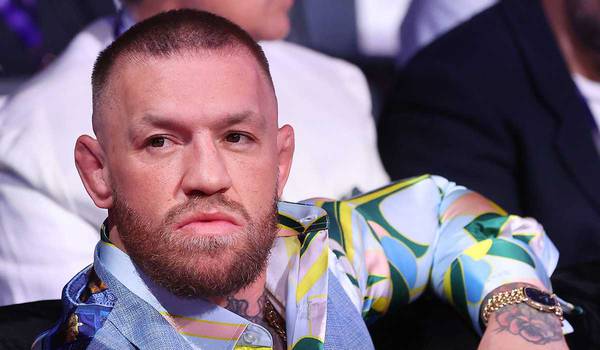
Conor McGregor, the former UFC champion in two weight classes, has put an end to months of speculation and announced his long-awaited return to mixed martial arts.
After years of uncertainty, Conor McGregor says he is finally on the way back to the Octagon, with July 11 in Las Vegas emerging as the most discussed target date for his return during International Fight Week.
The 37-year-old Irish star delivered the news in classic McGregor fashion, posting a loud, self-promotional message on social media declaring that he is coming back to “save MMA.” He also boasted that fans will pay to see him again and said he is ready to return to the spotlight and cash in.
That possible comeback date would place McGregor on one of the UFC’s biggest annual stages, a fitting setting for the promotion’s most bankable star. For the UFC, International Fight Week in Las Vegas has long been a showcase built for major attractions, and McGregor’s presence would immediately turn the event into one of the most heavily covered fight cards of the year in the American MMA media landscape.
His return would also carry major stakes well beyond simple nostalgia. McGregor has not fought in nearly five years, and any comeback bout would raise immediate questions about where he fits in the division picture. A win could push him right back into the title conversation or at least into another marquee matchup. A loss, on the other hand, would intensify doubts about whether he can still compete at the elite level after such a long layoff.
McGregor last fought Dustin Poirier in their trilogy bout, where he suffered the gruesome leg injury that halted his career. Since then, his absence from competition has been filled by rehab, legal troubles, business ventures, film work, and the continued expansion of his brand outside the cage.
Now the focus shifts to whether this comeback actually becomes official—and if it does, whether McGregor can still look like a meaningful force in the UFC once the cage door closes again.