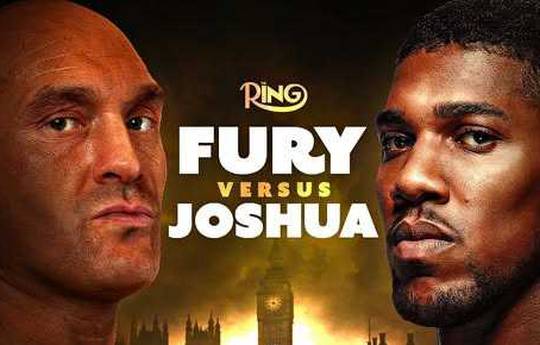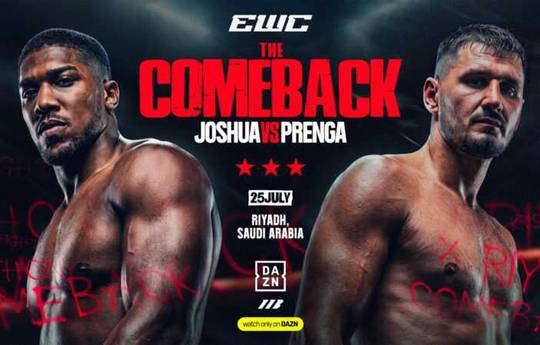
Lennox Lewis has publicly come to Anthony Joshua’s defense after Joshua decided not to accept Tyson Fury’s challenge just yet.
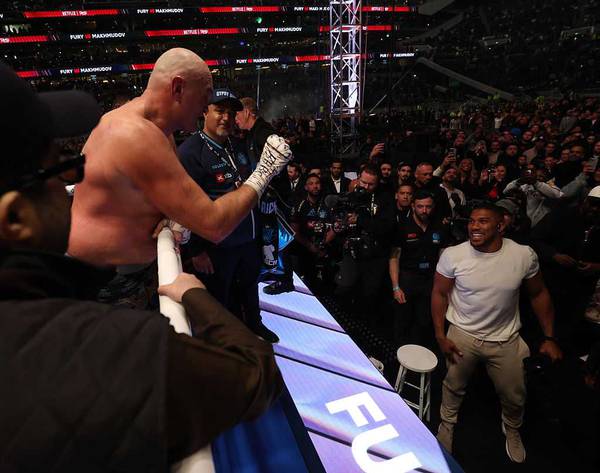
Fresh off Tyson Fury’s win over Arslanbek Makhmudov in London last weekend, the heavyweight star used his in-ring moment to call out Anthony Joshua. The challenge immediately reignited talk of one of boxing’s biggest possible matchups, but Lennox Lewis made it clear he believes Joshua is not in the right place to take that fight now.
Lewis said Joshua still needs time before stepping in against Fury, arguing that the former unified heavyweight titleholder is dealing with far more than normal fight pressure. In Lewis’ view, Joshua is being pushed toward a showdown he is not yet mentally ready for, and forcing that moment could do more harm than good. For American fans, that perspective lands differently because Joshua-Fury has long been treated as a global blockbuster, but the reality is that timing matters as much as star power in heavyweight boxing.
According to Lewis, Joshua has been through a deeply traumatic period in his career, one that continues to affect him. That context traces back to December, when Joshua was involved in a serious car accident in Nigeria. Two of his closest friends and team members — strength and conditioning coach Sina Gami and personal trainer Latif “Latz” Ayodele — were killed in the crash. Joshua himself reportedly suffered only minor injuries, but the emotional damage from that loss has clearly lingered.
The stakes here go beyond one superfight. If Fury keeps pressing for Joshua now, the matchup becomes as much a test of Joshua’s recovery and mindset as his boxing ability. If Joshua waits, the division could shift around him, especially with other heavyweight contenders still looking to force their way into the title picture. That is why Lewis’ defense of Joshua matters: it reframes the conversation from ducking a fight to handling grief and rebuilding at the right pace.
Whether Fury likes it or not, the next chapter depends on Joshua deciding when he is ready — and that decision will shape the heavyweight landscape more than any postfight callout.