Fabio Wardley says Daniel Dubois and Oleksandr Usyk remain at the top of his heavyweight wish list, but Deontay Wilder has now moved into the No. 3 spot as a possible next opponent.
Fresh off Deontay Wilder’s return win on April 4 at London’s O2 Arena, Fabio Wardley has made it clear where the former WBC champion fits into his plans. The unbeaten British heavyweight said his top targets are Daniel Dubois and Oleksandr Usyk, with Wilder now sitting behind them as his third choice.
That comment came after Wilder, 40, edged Derek Chisora by split decision in an entertaining bout in London. For Wardley, the result was enough to keep the American relevant in the title picture, even if bigger opportunities still come first. In a division that is badly in need of fresh matchmaking beyond the Usyk orbit, Wardley is positioning himself as one of the fighters trying to force the next wave.
“My main priority is a fight with Daniel Dubois. Next is Oleksandr Usyk. If for some reason a fight with one of them doesn’t happen, then my No. 3 target will be Deontay Wilder,” Wardley said in an interview with Ring Magazine’s YouTube channel.
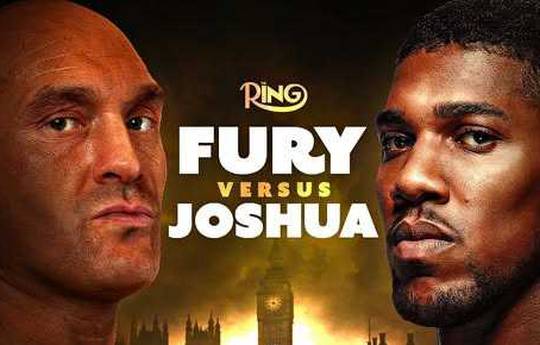
Wardley also weighed in on a possible future clash between Wilder and Anthony Joshua, saying the matchup still carries real appeal even if it arrives later than fans once hoped. From an American boxing perspective, that fight remains marketable because Wilder’s right hand still changes everything, while Joshua still brings name value and intrigue despite recent inconsistencies.
“I like the Wilder-Joshua fight. It’s not a defining fight for the whole division, but more of a good test for both of them to understand what stage of their careers they’re at right now. Yes, we wanted to see that fight earlier, when both were in their prime. But better late than never,” Wardley said.
If Wardley lands Dubois or Usyk, he jumps directly into the elite tier. If those doors stay closed, a fight with Wilder would still offer a high-risk, high-visibility route toward the top of the heavyweight division. For now, the key question is whether Wilder’s comeback win leads to a true second act—or simply makes him the most dangerous backup plan in boxing.